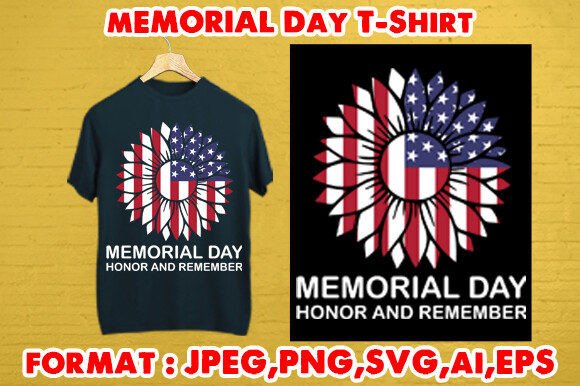
Memorial Day T-Shirt: A Practical Guide for Print-on-Demand and Creative Businesses
A Memorial Day T-Shirt is more than seasonal apparel—it’s a design-driven product category built around respectful, meaningful visuals honoring U.S. military service members who died in service. Unlike generic patriotic tees, a well-executed Memorial Day T-Shirt balances solemnity with versatility, supporting both commemorative intent and commercial adaptability across print-on-demand (POD) platforms and self-publishing workflows like Kindle Direct Publishing (KDP).
What Defines a Memorial Day T-Shirt Beyond the Label?
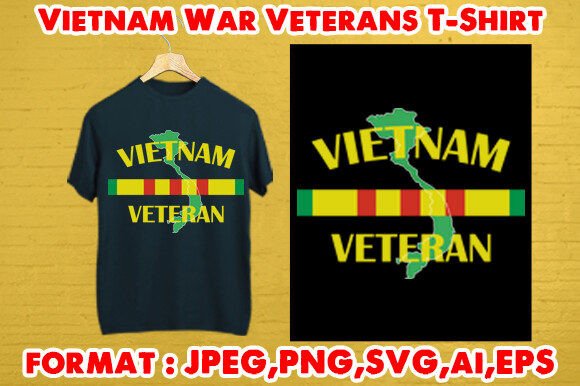
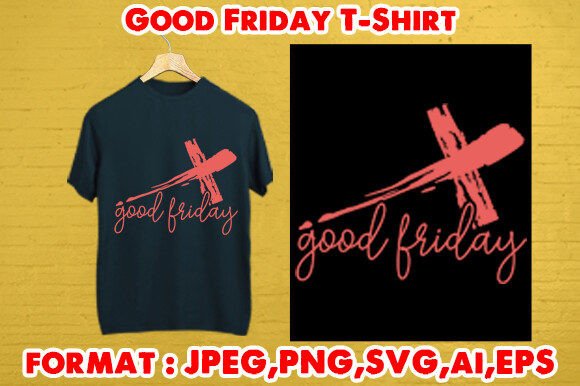
At its core, a Memorial Day T-Shirt refers to a digital design file—often created for broad reuse—not just a finished garment. These files are typically delivered in multiple high-fidelity formats: JPEG and PNG for web previews and basic printing; SVG and EPS for scalable vector use on cutting machines or embroidery digitizing; AI (Adobe Illustrator) for professional editing; and sometimes SVG for responsive web integration. This multi-format approach enables creators to deploy the same design across diverse physical products without rework.
That flexibility matters. A single Memorial Day T-Shirt design can appear on a crewneck sweatshirt, a kids’ long sleeve tee, a phone case, or even wall art—each requiring different resolution, bleed, and color profile considerations. The design itself often features subdued palettes (navy, charcoal, red-white-and-blue accents), symbolic elements (poppy motifs, folded flags, silhouettes of service members), and typography that prioritizes legibility and dignity over trendiness.
How It Fits Into Broader Creative Workflows
For POD sellers, a Memorial Day T-Shirt design functions as a foundational asset—not a one-off item. Its value increases when it’s engineered for cross-product compatibility. For example, a 300 DPI PNG works reliably for standard t-shirt printing, while an EPS version ensures crisp reproduction on large-format tote bags or tapestries. Similarly, SVG files scale cleanly for iron-on transfers used on onesies or kids’ hoodies, avoiding pixelation at small sizes.
In contrast, many holiday-themed designs rely heavily on raster-only assets (e.g., low-res JPEGs), limiting their utility beyond basic t-shirts. A true Memorial Day T-Shirt file set anticipates real-world production needs: transparent backgrounds for layered prints, CMYK-ready color profiles for screen printing, and vector outlines for vinyl cutting on magnets or laptop cases.
Strengths and Real-World Tradeoffs
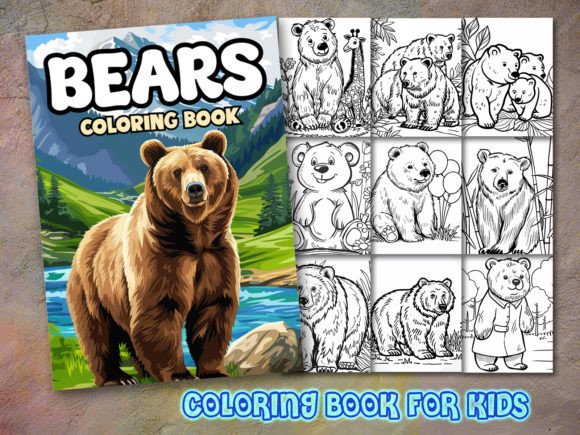
The primary strength of a Memorial Day T-Shirt lies in its timing and resonance. Demand spikes predictably in late May, offering a reliable annual revenue window—especially when paired with complementary items like notebooks, pillows, or coloring pages. Interior coloring books designed for KDP benefit from the same core artwork: line-art versions of flag motifs or memorial scenes translate naturally into printable PDFs, extending the design’s lifecycle beyond apparel.
However, this seasonality also presents limitations. Unlike evergreen categories (e.g., pet lover tees or coffee-themed designs), Memorial Day T-Shirts have a narrow active sales window—typically mid-April through early June. That means inventory planning, marketing campaigns, and platform visibility must be tightly coordinated. Overstocking physical blanks before demand peaks carries risk; relying solely on POD avoids that but may reduce margins per unit.
Another tradeoff involves tone. Designs that lean too heavily into militaristic imagery—or conversely, become overly abstract—can miss the emotional center of Memorial Day: remembrance, gratitude, and quiet reflection. Successful Memorial Day T-Shirt designs avoid political slogans or divisive symbols, focusing instead on universal emblems like the poppy, the POW/MIA flag, or minimalist silhouettes with “In Memory” text.
When It Makes Sense—and When It Doesn’t
A Memorial Day T-Shirt is a strong fit if you’re building a niche brand around American heritage, veteran support, or family-oriented patriotism. It pairs especially well with complementary offerings: a matching coloring book for kids, a notebook with subtle border motifs, or a pillow featuring a simplified version of the main design. Because the source files are reusable, one investment yields returns across categories—reducing per-product creative overhead.
It’s less ideal if your business model relies on year-round consistency without seasonal pivots. If your audience skews younger (e.g., Gen Z shoppers focused on streetwear aesthetics), Memorial Day T-Shirts may underperform unless intentionally blended with contemporary cuts (e.g., oversized baseball tees or cropped tank tops) and modern typography. Likewise, creators without access to vector-editing tools may find AI or EPS files difficult to modify—making PNG/JPEG bundles more practical, albeit less flexible.
Practical Format Comparisons for Real Production
Understanding which file format serves which purpose helps avoid last-minute production hiccups:
- JPEG: Best for mockup previews and social media promotion—small file size, wide compatibility, but no transparency or scalability.
- PNG: Preferred for POD platforms requiring transparent backgrounds (e.g., t-shirts with non-rectangular prints); supports high resolution but remains raster-based.
- SVG: Ideal for web use, Cricut/Silhouette cutting, and responsive scaling on apps or digital storefronts; lightweight and editable in code.
- EPS: Industry standard for professional printers handling large-format items like wall art or tapestries; retains vector fidelity and embeds fonts.
- AI: Necessary if you plan to edit layers, adjust colors, or repurpose elements (e.g., isolating a poppy graphic for a pin or magnet); requires Adobe Illustrator.
Not every project needs all five. A small-scale seller launching a limited run of kids’ long sleeve tees and matching onesies might prioritize PNG + SVG. A larger operation adding laptop cases, magnets, and wall art would benefit from EPS + AI for precise color separation and layout control.
Design Reuse Across Physical Products: What Actually Works
One of the most practical advantages of a Memorial Day T-Shirt file set is its portability across product types—if the original design accounts for dimensional constraints and material behavior. For instance:
- A centered chest print optimized for a crewneck sweatshirt translates cleanly to a kids hoodie—but may need resizing for a onesie’s smaller front panel.
- A full-back design works on a tapestry or pillow but risks distortion on a curved laptop case unless warped using mockup templates.
- Line-art versions (common in coloring page derivatives) function well on notebooks and tote bags but require thicker strokes to remain legible when printed small on pins or magnets.
This isn’t automatic compatibility—it’s intentional design scaffolding. The best Memorial Day T-Shirt resources include usage notes: recommended minimum sizes, safe zones for curved surfaces, and guidance on color simplification for fabric dye-sublimation versus direct-to-garment printing.
Making the Call: Is This Right for Your Next Launch?
Ask yourself three questions before investing time or budget into a Memorial Day T-Shirt:
- Do you have a clear path to audience alignment? Are your existing customers or marketing channels already engaged with themes of service, history, or family tradition?
- Can you support the product across at least three distinct item types? Spreading one design across t-shirts, phone cases, and coloring pages improves ROI far more than launching it on a single SKU.
- Do you have the technical capacity—or partnerships—to handle multiple file formats? If not, start with PNG + SVG and expand as demand validates the need for EPS or AI.
A Memorial Day T-Shirt isn’t just another holiday drop. It’s a versatile, respectfully grounded creative asset—one that gains strength through thoughtful adaptation, not mass replication. When matched to realistic goals, appropriate formats, and audience context, it becomes a durable piece of your broader product strategy—not just a May placeholder.